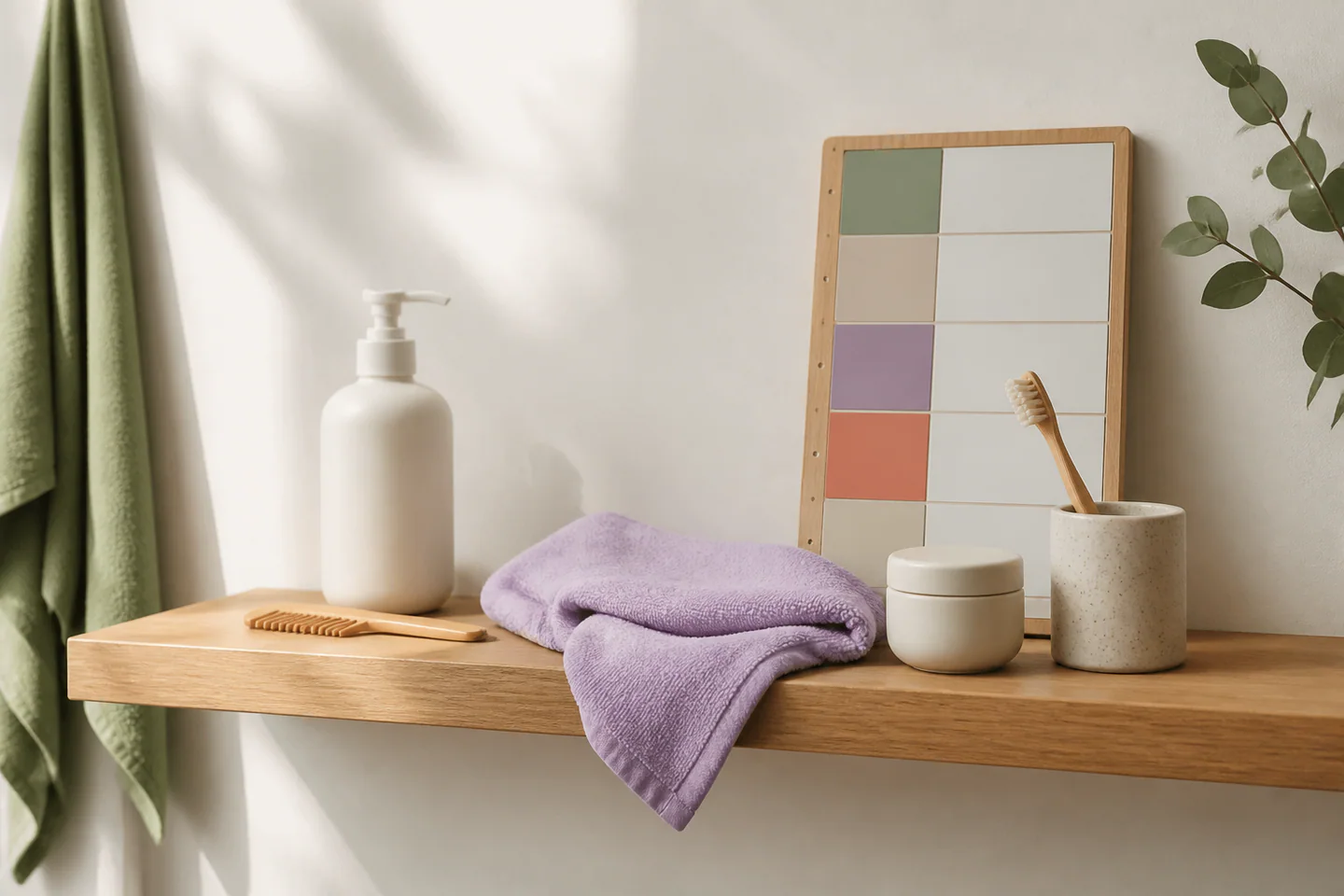
A useful personal-care routine does not need a crowded shelf or a long sequence of steps. It needs a clear purpose, a small set of suitable products and enough consistency to judge whether they help. Simplicity also improves safety: when one change is introduced at a time, irritation or poor results are easier to identify. The goal is not to reduce care to an arbitrary minimum, but to keep only the steps that provide repeatable value.
Begin with needs rather than categories
Describe the result you want in ordinary language. Examples include keeping skin comfortable after washing, maintaining a neat beard, protecting the mouth or reducing tangles. Avoid building the routine from promotional category names. A specific need makes it possible to ask whether each step contributes and whether a simpler method would do the same job.
Consider frequency, available time, water quality, climate and any known sensitivity. A routine that is manageable on a quiet weekend may fail on an ordinary workday. Design the basic version for the shortest realistic morning or evening, then add an occasional step only when it solves a documented need.
Create a dependable core
Group the essentials by function: clean, maintain or protect. For many routines, one product or tool in each necessary function is enough. Select formats that are comfortable to use, easy to dose and compatible with the storage space. A product that regularly spills, clogs or requires an awkward accessory creates friction and is more likely to be abandoned.
Write the order and frequency in a short note. Clear instructions prevent accidental duplication and help another household member distinguish personal tools. If a professional has provided directions for a medical or dental condition, those directions take priority over general organisation advice. A routine should support appropriate care, not replace it.
Change one element at a time
Introduce a new product or device while keeping the rest stable. Follow its directions and allow an appropriate observation period unless discomfort requires stopping sooner. Record the start date and the intended benefit. Without that small discipline, several simultaneous changes can create an apparent improvement or problem that cannot be attributed reliably.
For products applied to the body, avoid assuming that “natural”, “gentle” or a short ingredient list guarantees suitability. Read warnings, respect the intended area and perform any recommended preliminary test. Discontinue use when a reaction is concerning and seek qualified advice when needed. Packaging claims should never override clear symptoms.
Organise tools for hygiene and drying
Keep clean and used items separate. Brushes, razors, trimmers and reusable accessories need enough airflow to dry after cleaning. A closed container can protect during travel, but storing damp tools permanently may encourage odours and deterioration. Follow the manufacturer’s cleaning method for electrical parts and never immerse equipment unless the instructions explicitly allow it.
Mark replacement dates for components that wear gradually, such as brush heads, blades or filters. Visual inspection still matters: damage, corrosion, loss of alignment or a persistent odour can justify earlier replacement. Clean storage often extends useful life more effectively than buying a premium version of the same tool.
Measure value through use
Count how often a product is actually used and how long it lasts at the recommended amount. Compare cost per month or per completed routine rather than package price alone. A concentrated product is economical only if it can be dosed consistently; an inexpensive tool is poor value if it causes discomfort or must be replaced repeatedly.
Review duplicates before buying. Finish a suitable opened product before adding another version of the same function. Samples can reduce the risk of a full-size purchase, but they should be tested systematically rather than accumulated. Keep receipts and note opening dates where shelf life after opening matters.
Review the routine at regular intervals
Every few months, ask four questions: Is the need still present? Is the step used as planned? Is the result noticeable? Is the effort and cost acceptable? Remove steps that lack a clear answer, and simplify the sequence if it often runs late. Seasonal conditions may justify a temporary adjustment without rebuilding the entire routine.
A mature routine is easy to explain, quick to reset after travel and supported by tools that can be cleaned and replaced. Its strength comes from consistency and observation, not from the number of containers. Keeping the core small leaves room to respond intelligently when needs genuinely change.